

Hey there! I'm a supplier of PBAT material, and today I wanna chat about whether PBAT material is a good insulator for electronics.
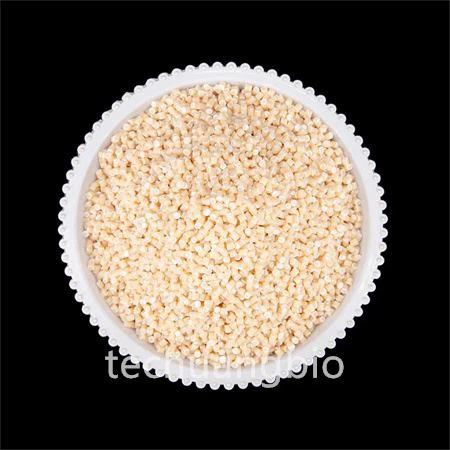

First off, let's get to know what PBAT is. PBAT, or polybutylene adipate - terephthalate, is a biodegradable thermoplastic polyester. It's made by combining adipic acid, 1,4 - butanediol, and dimethyl terephthalate. As a supplier, I've seen a growing interest in PBAT due to its eco - friendly nature. You can learn more about biodegradable materials like it on this page: Biodegradable Material.
Now, when it comes to using PBAT as an insulator for electronics, there are a few things we need to consider. Insulation in electronics is crucial. It helps prevent electrical current from leaking, reduces the risk of short - circuits, and protects components from external factors. Good insulators typically have high electrical resistance, low dielectric constant, and good mechanical properties.
Let's start with electrical resistance. PBAT has a relatively high electrical resistance, which is a great start for an insulator. This means that it doesn't allow electrical current to flow through it easily. When you're dealing with electronics, you want materials that can keep the current where it's supposed to be. For example, in a circuit board, the insulator needs to separate different conductive paths so that the electricity follows the designed routes. PBAT can do a decent job in this regard.
The dielectric constant is another important factor. The dielectric constant measures how much a material can store electrical energy in an electric field. A low dielectric constant is preferred for insulators in electronics because it means less energy is stored in the material itself, reducing the chances of interference. PBAT has a moderately low dielectric constant, which is favorable for use in electronic insulation. This allows it to perform well in applications where signal integrity is important, like in high - frequency circuits.
Mechanical properties also play a big role. PBAT is a flexible material, which is a plus in electronics. It can be easily molded into different shapes to fit various electronic components. Whether it's a small, intricate part of a smartphone or a larger component in a computer, PBAT can be shaped to provide the necessary insulation. It also has good toughness, meaning it can withstand some mechanical stress without breaking or cracking. This is important because electronic devices are often subject to vibrations, impacts, and temperature changes during their use.
But it's not all sunshine and rainbows. One of the drawbacks of PBAT is its relatively low heat resistance. In some electronic applications, components can generate a significant amount of heat. If the insulator can't handle the heat, it may degrade and lose its insulating properties. For example, in a power supply unit, the components can get quite hot. PBAT may start to soften or even melt at high temperatures, which could compromise its insulating ability. However, there are ways to improve its heat resistance, such as adding heat - resistant additives.
Another aspect to consider is the cost. As a supplier, I know that cost is always a major factor for manufacturers. PBAT can be more expensive than some traditional insulating materials like plastics. This might make it less attractive for mass - produced, low - cost electronic devices. But on the other hand, with the increasing demand for eco - friendly products, more and more manufacturers are willing to pay a bit extra for sustainable materials like PBAT.
Now, let's talk about some of the applications where PBAT could be a good insulator for electronics. In wearable devices, where flexibility and comfort are key, PBAT's flexibility and relatively good insulating properties make it a potential candidate. It can be used to insulate the wires and circuits in smartwatches, fitness trackers, and other wearables.
In some consumer electronics like headphones, PBAT can also be used. It can insulate the internal wiring, protecting the users from electrical shocks and ensuring the proper functioning of the device. And with the trend towards biodegradable and sustainable products, using PBAT in these devices can be a great selling point.
If you're interested in PBAT blends, we also offer PBAT PLA Corn Starch and PLA PBS Blends. These blends can have different properties depending on the ratio of the components, and they might offer even better performance in certain electronic insulation applications.
In conclusion, PBAT has some great qualities that make it a viable option as an insulator for electronics. Its high electrical resistance, moderately low dielectric constant, and flexibility are definite advantages. However, its low heat resistance and relatively high cost are factors that need to be considered. But as technology advances and the demand for sustainable materials grows, I believe that PBAT will find more and more applications in the electronics industry.
If you're in the electronics manufacturing business and are looking for a reliable and eco - friendly insulator, I'd love to have a chat with you. We can discuss your specific needs and see if PBAT or our other blends are the right fit for your products. Feel free to reach out for more information and let's start a conversation about how we can work together.
References:
- "Polymer Science and Technology" textbooks
- Research papers on biodegradable polymers in electronics applications
- Industry reports on sustainable materials in the electronics sector