

Hey there! As a supplier of PBAT and PLA, I often get asked if these materials can be used in 3D printing. Well, let's dive right into it and find out!
What are PBAT and PLA?
First off, let me give you a quick rundown on what PBAT and PLA actually are. PLA, or polylactic acid, is a biodegradable thermoplastic polyester derived from renewable resources like corn starch or sugarcane. It's one of the most popular materials in the 3D printing world because it's easy to print with, has a low melting point, and produces parts with good surface finish.
On the other hand, PBAT, or polybutylene adipate terephthalate, is a biodegradable copolyester that's known for its flexibility and toughness. It's often used in packaging applications because it can withstand a lot of stress without breaking.
Can PBAT and PLA be used in 3D printing?
The short answer is yes! Both PBAT and PLA can be used in 3D printing, but they each have their own unique properties and challenges.
PLA in 3D Printing
PLA is a great choice for 3D printing because it's easy to work with. It has a relatively low melting point (around 180-220°C), which means you don't need a super hot printer to melt it. It also doesn't warp or shrink much during the cooling process, so you can print large parts without having to worry about them cracking or deforming.
Another advantage of PLA is that it comes in a wide range of colors and finishes. You can find plain PLA, as well as PLA that's infused with other materials like wood, metal, or carbon fiber to give your prints a unique look and feel.
However, PLA does have some limitations. It's not as strong or durable as some other materials, so it's not suitable for parts that need to withstand a lot of stress or wear and tear. It also has a relatively low heat resistance, which means it can start to deform if it's exposed to high temperatures for too long.
PBAT in 3D Printing
PBAT is a bit more challenging to print with than PLA, but it offers some unique advantages. One of the biggest advantages of PBAT is its flexibility. It can be bent and stretched without breaking, which makes it a great choice for parts that need to be flexible or elastic.
PBAT also has a higher heat resistance than PLA, which means it can withstand higher temperatures without deforming. This makes it a good choice for parts that will be exposed to heat, such as automotive parts or electronic housings.
However, PBAT is more difficult to print with than PLA because it has a higher melting point (around 160-170°C) and is more prone to warping and shrinkage. It also requires a higher printing speed and a heated bed to ensure that the layers adhere properly.
Blending PBAT and PLA for 3D Printing
One way to overcome the limitations of PBAT and PLA is to blend them together. By combining the strengths of both materials, you can create a filament that has the flexibility and toughness of PBAT with the ease of printing and good surface finish of PLA.
There are several companies that offer PBAT and PLA blends for 3D printing. These blends are often formulated to have specific properties, such as increased flexibility, improved strength, or better heat resistance.
For example, you can check out our PLA PBS Blends which are designed to provide a good balance of strength and flexibility. We also have PBAT PLA Corn Starch blends that are made from renewable resources and are biodegradable. And if you're looking for a compostable raw material, our PLA PBS Compostable Raw Material might be just what you need.
Tips for Printing with PBAT and PLA
If you decide to try printing with PBAT and PLA, here are some tips to help you get the best results:
- Use a heated bed: Both PBAT and PLA can warp and shrink during the cooling process, so it's important to use a heated bed to keep the material warm and prevent it from warping. A heated bed temperature of around 50-60°C is usually sufficient for PLA, while PBAT may require a slightly higher temperature of around 60-70°C.
- Adjust your printing settings: PBAT and PLA have different melting points and flow rates, so you may need to adjust your printing settings to ensure that the material prints properly. You may need to increase the printing temperature, decrease the printing speed, or adjust the extrusion multiplier to get the best results.
- Use a slow cooling rate: To prevent warping and shrinkage, it's important to let the printed part cool down slowly. You can do this by keeping the printer on for a few minutes after the print is finished or by placing the part in a warm place to cool down gradually.
Conclusion
In conclusion, PBAT and PLA can definitely be used in 3D printing. While they each have their own unique properties and challenges, they offer a lot of advantages for creating biodegradable and sustainable 3D prints. By blending PBAT and PLA together, you can create a filament that has the best of both worlds.

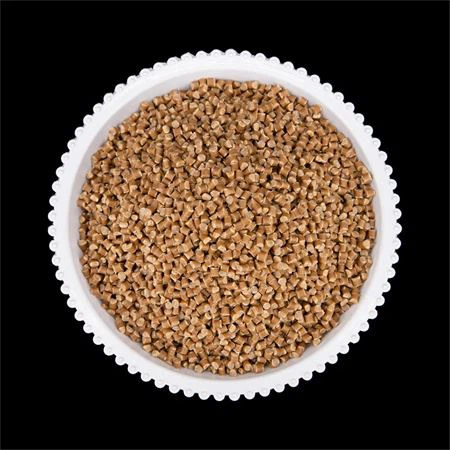
If you're interested in purchasing PBAT or PLA for 3D printing, feel free to contact us for more information. We're a leading supplier of biodegradable materials and we'd be happy to help you find the right product for your needs. Just reach out to start a conversation about your project and let's see how we can work together!
References
- Some research on PLA and its properties
- Studies on the use of PBAT in various applications
- Information on biodegradable polymers in 3D printing