

In recent years, there has been a growing global concern about the environmental impact of traditional plastics. These non - biodegradable materials are piling up in landfills, polluting our oceans, and harming wildlife. As a result, there is an increasing interest in biodegradable alternatives such as PBAT (Polybutylene Adipate Terephthalate) and PLA (Polylactic Acid). As a supplier of PBAT and PLA, I often get asked the question: Can PBAT and PLA replace all traditional plastics? In this blog post, I will explore this topic from various aspects.
Properties and Advantages of PBAT and PLA
PBAT is a biodegradable copolyester that combines the properties of aliphatic and aromatic polyesters. It has good flexibility, elongation at break, and processability. This makes it suitable for applications such as packaging films, agricultural mulch films, and disposable bags. PLA, on the other hand, is a thermoplastic polyester derived from renewable resources like corn starch or sugarcane. It has high strength, stiffness, and transparency, which are desirable properties for applications in food packaging, 3D printing filaments, and disposable tableware.
One of the most significant advantages of PBAT and PLA is their biodegradability. Unlike traditional plastics that can take hundreds of years to decompose, PBAT and PLA can break down into water and carbon dioxide under certain environmental conditions, usually within a few months to a few years. This reduces the long - term environmental burden associated with plastic waste.
Another advantage is their renewable sourcing. Since PLA is made from plant - based materials, it has a lower carbon footprint compared to traditional plastics derived from fossil fuels. PBAT can also be produced using a certain proportion of renewable raw materials, contributing to a more sustainable supply chain.
Current Applications of PBAT and PLA
The use of PBAT and PLA is already widespread in many industries. In the packaging industry, they are used to make biodegradable shopping bags, food packaging, and cushioning materials. For example, many supermarkets now offer biodegradable shopping bags made from PBAT or PLA blends. These bags not only meet the requirements for strength and durability but also address the environmental concerns of consumers.
In the agricultural sector, PBAT - based mulch films are increasingly being used. These films can help conserve soil moisture, suppress weeds, and improve crop yields. After the growing season, they can be left in the soil to decompose, eliminating the need for manual removal and reducing the accumulation of plastic waste in farmland.
The 3D printing industry also benefits from the use of PLA. Its good printability and availability in various colors make it a popular choice for hobbyists and professionals alike. Products such as toys, prototypes, and small - scale manufacturing parts can be printed using PLA filaments.
Limitations of PBAT and PLA
Despite their many advantages, PBAT and PLA also have some limitations that prevent them from completely replacing traditional plastics.
One of the main limitations is their relatively high cost. The production process of PBAT and PLA is more complex and energy - intensive compared to traditional plastics. Additionally, the raw materials for PLA, such as corn starch, are subject to market fluctuations in agricultural prices. This makes the final products more expensive, which can be a deterrent for some manufacturers, especially those in price - sensitive industries.

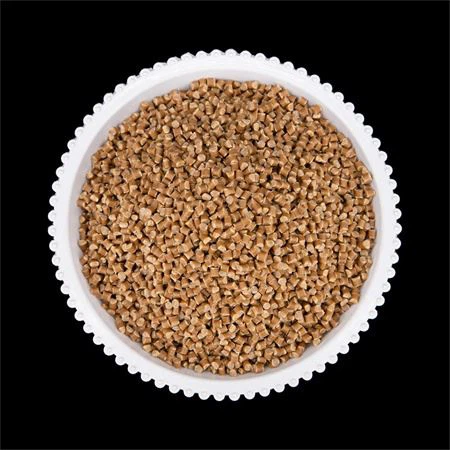
Another limitation is their performance under certain conditions. PBAT and PLA have lower heat resistance compared to some traditional plastics. For example, they may deform or melt at relatively low temperatures, which restricts their use in applications where high - temperature stability is required, such as in the automotive or electronics industries.
In terms of mechanical properties, while PBAT has good flexibility, it may lack the high - strength and toughness required for some heavy - duty applications. PLA, although strong and stiff, can be brittle, which limits its use in applications that require high impact resistance.
Blending and Compounding
To overcome some of the limitations of PBAT and PLA, blending and compounding techniques are often used. For example, blending PBAT with PLA can result in a material that combines the flexibility of PBAT and the strength of PLA. These blends can be further enhanced by adding other additives or fillers.
You can find more information about PLA PBS Blends, which may offer unique properties and performance characteristics suitable for different applications. Additionally, Pla Pbat Cornstarch and PBAT PLA Corn Starch blends are also available, which can potentially improve the cost - performance ratio and expand the application scope of these biodegradable materials.
The Future Outlook
The future of PBAT and PLA looks promising. With the continuous advancement of technology, the production cost of these materials is expected to decrease. Research is being conducted to improve their performance, such as enhancing their heat resistance and mechanical properties.
Government policies and regulations also play a crucial role in promoting the use of biodegradable plastics. Many countries have implemented bans or restrictions on single - use plastics, which creates a favorable market environment for PBAT and PLA. For example, the European Union has set ambitious targets for reducing plastic waste and increasing the use of biodegradable and compostable materials.
However, it is unlikely that PBAT and PLA will completely replace all traditional plastics in the near future. Traditional plastics still have their place in many applications where their unique properties, such as high - temperature resistance, extreme durability, and low cost, are essential. Instead, a more likely scenario is that PBAT and PLA will gradually replace traditional plastics in applications where biodegradability and sustainability are the primary concerns, such as in packaging and disposable products.
Conclusion
In conclusion, while PBAT and PLA have many advantages and are making significant inroads into various industries, they cannot replace all traditional plastics at present. Their biodegradability and renewable sourcing make them attractive alternatives, but their high cost and performance limitations are significant barriers.
As a supplier of PBAT and PLA, I am committed to providing high - quality products and working with customers to find the best solutions for their specific needs. If you are interested in exploring the use of PBAT and PLA in your products or have any questions about these materials, I encourage you to contact me for procurement and further discussion. We can work together to contribute to a more sustainable future by reducing the environmental impact of plastic waste.
References
- European Bioplastics. (2023). The Bioplastics Market.
- ASTM International. (2022). Standards for Biodegradable Plastics.
- PlasticsEurope. (2023). Plastics the Facts.