

Can PBAT material be used in food packaging? That's a question I get asked a lot as a PBAT Material supplier. And let me tell you, it's a topic that's super important these days, especially with everyone being more conscious about the environment and food safety.
First off, let's talk about what PBAT is. PBAT, or Polybutylene Adipate Terephthalate, is a biodegradable thermoplastic polyester. It's got some pretty cool properties that make it stand out. For one, it's flexible, kind of like rubber in some ways. This flexibility is a big plus when it comes to packaging because it can conform to different shapes of food products. Whether you're packaging a round piece of cheese or a long loaf of bread, PBAT can adapt.
Another great thing about PBAT is its biodegradability. In a world where plastic waste is a huge problem, having a material that can break down naturally is a game - changer. PBAT can degrade under composting conditions, which means it won't sit in landfills for hundreds of years like traditional plastics. This is not only good for the environment but also gives consumers a sense of peace knowing that the packaging they're using is more sustainable.
Now, let's get to the big question: Can it be used in food packaging? The short answer is yes, but there are some things to consider.

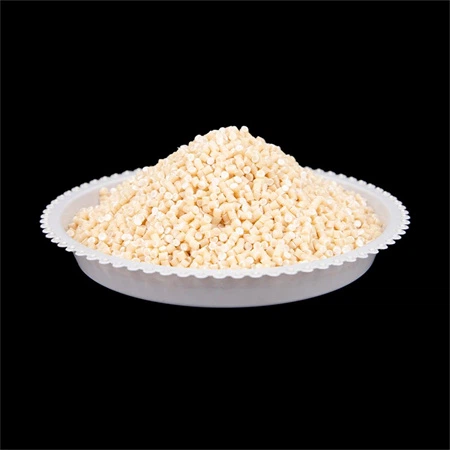
From a safety perspective, PBAT is generally considered safe for food contact. It meets certain food - contact regulations in many countries. However, it's important to make sure that the PBAT used in food packaging is of high quality. There can be impurities or additives in some PBAT materials that might not be suitable for food. That's why as a supplier, I make sure that all our PBAT products are thoroughly tested to meet the strictest food - safety standards.
When it comes to performance, PBAT has its pros and cons. On the plus side, it has good barrier properties. It can keep oxygen and moisture out to some extent, which helps in preserving the freshness of food. For example, if you're packaging a snack like nuts, PBAT can prevent them from going rancid by blocking oxygen. But it's not as good as some traditional plastics in terms of absolute barrier performance. So, for some high - moisture or high - oxygen - sensitive foods, you might need to use PBAT in combination with other materials.
There are also different types of PBAT blends that can be used in food packaging. For instance, PBAT PLA blends are quite popular. PLA (Polylactic Acid) is another biodegradable polymer, and when combined with PBAT, it can enhance the overall properties of the packaging material. The blend might have better stiffness or better barrier properties than pure PBAT, depending on the ratio of the two polymers.
Biodegradable Resin is also an option. These resins can be formulated to have specific properties for food packaging. They can be customized to meet the needs of different food products, whether it's a liquid, a solid, or a semi - solid.
And then there's Pla Pbat Cornstarch. Cornstarch is a natural and renewable resource. When added to PBAT and PLA blends, it can further improve the biodegradability of the material and also reduce the cost. This makes it an attractive option for food packaging, especially for products that are on a budget.
However, there are some challenges with using PBAT in food packaging. One of the main challenges is cost. PBAT is generally more expensive than traditional plastics. This can be a deterrent for some food manufacturers, especially small - scale ones. But as the demand for sustainable packaging grows, the cost is likely to come down over time.
Another challenge is the processing of PBAT. It requires different processing conditions compared to traditional plastics. For example, the melting temperature and the cooling rate need to be carefully controlled during the manufacturing of PBAT - based food packaging. This means that food manufacturers might need to invest in new equipment or adjust their existing processes.
Despite these challenges, the future looks bright for PBAT in food packaging. Consumers are becoming more willing to pay a little extra for sustainable products. And as technology advances, the cost and processing issues are likely to be addressed.
If you're a food manufacturer or someone involved in the food packaging industry, and you're considering using PBAT material, I'd love to have a chat with you. We can discuss your specific needs, whether it's the type of food you're packaging, your budget, or your sustainability goals. I can provide you with samples of our high - quality PBAT products so you can test them out and see for yourself how they perform.
Contact me to start a conversation about how PBAT can be the perfect solution for your food - packaging needs. Let's work together to make the food - packaging industry more sustainable.
References
- European Food Safety Authority (EFSA) guidelines on food - contact materials
- ASTM International standards for biodegradable plastics
- Research papers on the properties and applications of PBAT in food packaging