

In the contemporary business landscape, environmental sustainability has emerged as a crucial concern for companies across various industries. As a supplier of biodegradable mailer bags, I've witnessed firsthand the growing demand for eco-friendly packaging solutions. This blog aims to explore how biodegradable mailer bags can affect the carbon footprint and why they are a viable choice for businesses looking to reduce their environmental impact.
Understanding Carbon Footprint
Before delving into the impact of biodegradable mailer bags on the carbon footprint, it's essential to understand what a carbon footprint is. A carbon footprint is the total amount of greenhouse gases, primarily carbon dioxide (CO2), emitted directly or indirectly by an individual, organization, event, or product throughout its life cycle. This includes emissions from raw material extraction, production, transportation, use, and disposal.
In the context of mailer bags, the carbon footprint encompasses all the emissions associated with their manufacturing, distribution, and eventual disposal. Traditional plastic mailer bags, which are made from non - biodegradable materials such as polyethylene, have a significant carbon footprint. The production of these bags requires large amounts of fossil fuels, and they often end up in landfills where they can take hundreds of years to decompose, releasing greenhouse gases in the process.
How Biodegradable Mailer Bags Are Made
Biodegradable mailer bags are typically made from plant - based materials such as cornstarch, potato starch, or other biodegradable polymers. These materials are renewable resources, which means they can be replenished naturally over time. The production process of biodegradable mailer bags generally consumes less energy compared to traditional plastic bags.
For instance, the extraction and refining of fossil fuels for traditional plastic production are energy - intensive processes. In contrast, the cultivation of plants for biodegradable materials requires sunlight, water, and nutrients, and the manufacturing process often involves less complex chemical reactions. As a result, the carbon emissions associated with the production of biodegradable mailer bags are relatively lower.
Reducing Carbon Emissions in Transportation
Another aspect where biodegradable mailer bags can have a positive impact on the carbon footprint is transportation. Biodegradable mailer bags are often lighter than their traditional plastic counterparts. This reduction in weight means that less fuel is required to transport them from the manufacturing facility to the end - user.
When shipping large quantities of products, even a small reduction in the weight of each mailer bag can lead to significant fuel savings. For example, if a delivery truck can carry more products due to the lighter weight of the mailer bags, it can make fewer trips, thereby reducing carbon emissions from transportation.
Decomposition and Carbon Sequestration
One of the most significant advantages of biodegradable mailer bags is their ability to decompose naturally. When these bags are disposed of in a composting environment, they break down into natural substances such as water, carbon dioxide, and biomass within a relatively short period, usually within a few months to a few years.
Moreover, during the decomposition process, some of the carbon in the biodegradable mailer bags can be sequestered in the soil. Carbon sequestration is the process of capturing and storing carbon dioxide to prevent it from entering the atmosphere. By using biodegradable mailer bags, businesses can contribute to reducing the overall carbon dioxide levels in the atmosphere.
Comparison with Other Packaging Options
Let's compare biodegradable mailer bags with other popular packaging options in terms of their carbon footprint.
Recycled Plastic Mailing Bags
Recycled plastic mailing bags, such as those available at Recycled Plastic Mailing Bag, are another option for businesses looking to reduce their environmental impact. While recycling plastic helps to conserve resources and reduce the demand for new plastic production, the recycling process itself still requires energy.
However, compared to traditional non - recycled plastic bags, recycled plastic mailing bags generally have a lower carbon footprint. Biodegradable mailer bags, on the other hand, have the added advantage of natural decomposition, which further reduces their long - term environmental impact.
Custom Biodegradable Postage Bags
Custom Biodegradable Postage Bags offer businesses the flexibility to design their packaging according to their specific needs. These bags are made from biodegradable materials, and their production and disposal processes are more environmentally friendly compared to traditional postage bags.
The ability to customize the bags also means that businesses can use only the necessary amount of material, reducing waste and further minimizing the carbon footprint.
Personalized Poly Mailers
Personalized Poly Mailers are a popular choice for businesses that want to add a personal touch to their packaging. Biodegradable personalized poly mailers are made from sustainable materials, which not only reduce the carbon footprint but also enhance the brand's image as an environmentally responsible company.
Challenges and Solutions
Despite the many benefits of biodegradable mailer bags, there are still some challenges associated with their widespread adoption. One of the main challenges is the cost. Biodegradable materials can be more expensive than traditional plastic, which may deter some businesses from switching.
However, as the demand for biodegradable products increases, economies of scale will come into play, and the cost is likely to decrease over time. Additionally, businesses should consider the long - term cost savings associated with reduced environmental impact, such as potential savings in waste management and improved brand reputation.
Another challenge is the proper disposal of biodegradable mailer bags. For these bags to decompose effectively, they need to be placed in a composting environment. Many consumers may not be aware of this requirement, and if the bags end up in landfills, they may not decompose as quickly as expected. To address this issue, businesses can educate their customers about the proper disposal methods and provide clear instructions on the packaging.
Conclusion
In conclusion, biodegradable mailer bags have a significant positive impact on the carbon footprint. From reducing carbon emissions during production and transportation to facilitating natural decomposition and carbon sequestration, these bags offer a more sustainable alternative to traditional plastic mailer bags.
As a supplier of biodegradable mailer bags, I am committed to providing high - quality products that help businesses reduce their environmental impact. Whether you are interested in Recycled Plastic Mailing Bag, Custom Biodegradable Postage Bag, or Personalized Poly Mailer, we have a range of options to meet your needs.
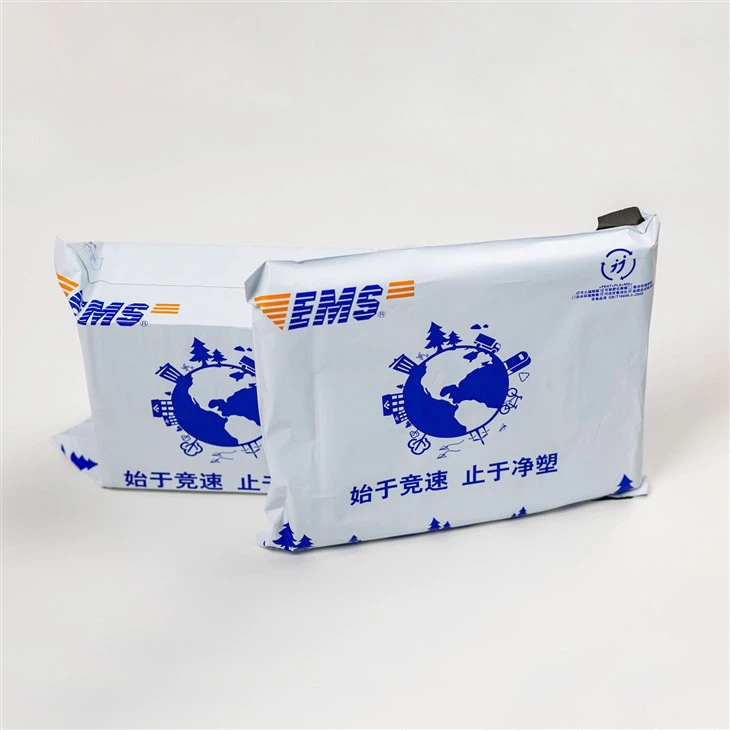

If you are looking to reduce your company's carbon footprint and make a positive contribution to the environment, I encourage you to reach out to us for a consultation on biodegradable mailer bag procurement. Together, we can make a difference in creating a more sustainable future.
References
- Alavi, S. H., & Orts, W. J. (Eds.). (2010). Polysaccharide-based nanocomposites in food applications. Springer Science & Business Media.
- Mohanty, A. K., Misra, M., & Drzal, L. T. (Eds.). (2005). Natural fibers, biopolymers, and biocomposites. CRC press.
- Song, L., & Sun, X. (2009). Biodegradable polymers for food packaging: a review. Critical Reviews in Food Science and Nutrition, 49(10), 823 - 836.