

When it comes to selecting the right PBAT (Polybutylene Adipate Terephthalate) material for a specific application, there are numerous factors to consider. As a PBAT material supplier, I've witnessed firsthand the importance of making informed choices to ensure optimal performance and customer satisfaction. In this blog, I'll share some insights and guidelines to help you navigate the process of choosing the perfect PBAT material for your needs.
Understanding PBAT Material
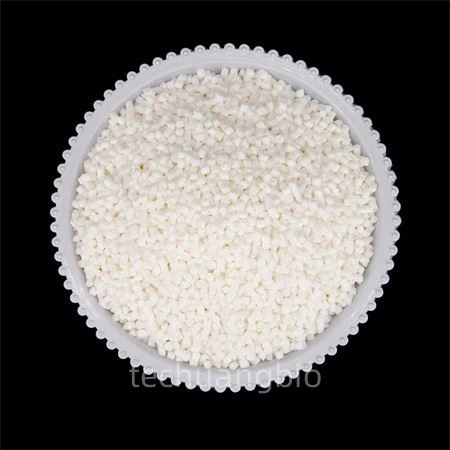
PBAT is a biodegradable polyester that has gained significant popularity in recent years due to its excellent mechanical properties, processability, and environmental friendliness. It is a copolymer of butylene adipate and butylene terephthalate, which combines the flexibility of aliphatic polyesters with the strength and heat resistance of aromatic polyesters. PBAT is commonly used in various applications, including packaging, agriculture, and consumer goods, as a sustainable alternative to traditional plastics.
Factors to Consider When Choosing PBAT Material
1. Application Requirements
The first step in choosing the right PBAT material is to understand the specific requirements of your application. Consider factors such as mechanical properties (e.g., tensile strength, elongation at break), thermal properties (e.g., melting point, heat resistance), chemical resistance, and biodegradability. For example, if you're using PBAT for packaging applications, you may need a material with high tensile strength and good barrier properties to protect the contents from moisture and oxygen. On the other hand, if you're using PBAT in agricultural films, you may require a material with excellent flexibility and UV resistance to withstand outdoor conditions.
2. Processing Conditions
The processing conditions of your application also play a crucial role in determining the suitability of PBAT material. Different PBAT grades have different melting points, viscosities, and processing temperatures, which can affect the ease of processing and the quality of the final product. Make sure to choose a PBAT material that is compatible with your processing equipment and conditions. For example, if you're using extrusion or injection molding processes, you may need a material with a low melt viscosity to ensure smooth flow and good mold filling.
3. Biodegradability Requirements
One of the main advantages of PBAT is its biodegradability. However, the rate and extent of biodegradation can vary depending on the environmental conditions and the specific PBAT formulation. If biodegradability is a critical requirement for your application, consider choosing a PBAT material that has been tested and certified to meet relevant international standards, such as ASTM D6400 or EN 13432. These standards ensure that the material will biodegrade within a specified time frame under defined environmental conditions.
4. Cost
Cost is always an important consideration when choosing any material. PBAT materials can vary in price depending on factors such as the grade, the supplier, and the quantity ordered. While it's important to find a cost-effective solution, don't compromise on quality. Look for a PBAT material that offers a good balance between performance and cost. Consider the long-term benefits of using a high-quality PBAT material, such as reduced environmental impact and improved product performance.

5. Compatibility with Other Materials
In many applications, PBAT is used in combination with other materials, such as PLA Material or PBAT PLA Corn Starch. When choosing PBAT material, make sure it is compatible with the other materials in your formulation. Compatibility issues can lead to poor adhesion, delamination, or other performance problems. Conduct thorough testing to ensure that the PBAT material and the other materials work well together.
Common Applications of PBAT Material
1. Packaging
PBAT is widely used in packaging applications, including food packaging, shopping bags, and disposable containers. Its excellent mechanical properties, flexibility, and barrier properties make it an ideal choice for protecting and preserving food products. PBAT can also be used to make compostable packaging materials, which are becoming increasingly popular due to their environmental benefits.
2. Agriculture
In the agricultural sector, PBAT is used to make mulch films, greenhouse films, and other agricultural products. These films help to conserve soil moisture, control weeds, and improve crop yields. PBAT's biodegradability makes it a sustainable alternative to traditional plastic films, which can accumulate in the environment and cause pollution.
3. Consumer Goods
PBAT is also used in a variety of consumer goods, such as disposable cutlery, straws, and toys. Its biodegradability and good mechanical properties make it a suitable material for these applications, which require a high level of functionality and environmental friendliness.
How Our PBAT Material Can Meet Your Needs
As a leading PBAT material supplier, we offer a wide range of PBAT grades to meet the diverse needs of our customers. Our PBAT materials are manufactured using advanced technology and high-quality raw materials, ensuring consistent quality and performance. We can provide customized solutions based on your specific requirements, including different grades, colors, and additives.
Our PBAT materials have been tested and certified to meet relevant international standards, ensuring their biodegradability and environmental friendliness. We also offer technical support and after-sales service to help you choose the right PBAT material for your application and ensure its successful use.
Conclusion
Choosing the right PBAT material for a specific application requires careful consideration of various factors, including application requirements, processing conditions, biodegradability requirements, cost, and compatibility with other materials. By understanding these factors and working with a reliable PBAT material supplier, you can make an informed decision and select the material that best meets your needs.
If you're interested in learning more about our PBAT materials or have any questions about choosing the right material for your application, please don't hesitate to contact us. We're here to help you find the perfect PBAT solution for your business.
References
- ASTM International. (2023). Standard Specification for Labeling of Plastics Designed to be Aerobically Composted in Municipal or Industrial Facilities. ASTM D6400 - 23.
- European Committee for Standardization. (2000). Packaging - Requirements for Packaging Recoverable through Composting and Biodegradation - Test Scheme and Evaluation Criteria for the Final Acceptance of Packaging. EN 13432:2000.