

What are the anti - static properties of PBAT and PLA?
As a supplier of PBAT and PLA, I've witnessed a growing interest in these biodegradable polymers. One aspect that often comes up in discussions is their anti - static properties. In this blog, we'll delve into what anti - static properties are, how PBAT and PLA fare in this regard, and the implications for various industries.
Understanding Anti - Static Properties
Before we explore PBAT and PLA, it's essential to understand what anti - static properties mean. Static electricity is the imbalance of electric charges within or on the surface of a material. When two materials come into contact and then separate, electrons can transfer between them, creating an electrostatic charge. This charge can cause a range of problems, from attracting dust and debris to causing electrical interference in sensitive electronic equipment.
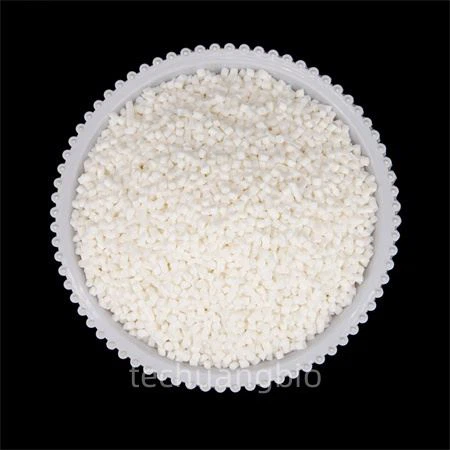
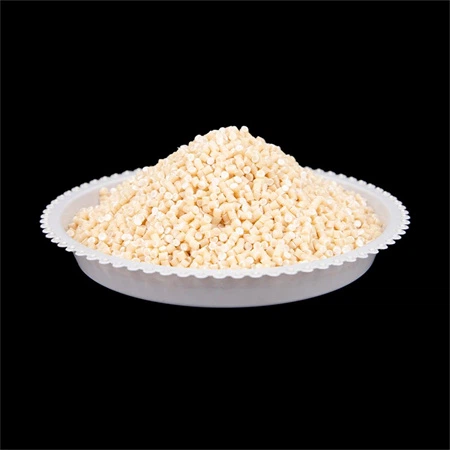
Materials with anti - static properties have the ability to dissipate or prevent the build - up of static electricity. This is typically achieved through the addition of anti - static agents or by the inherent properties of the material itself.
Anti - Static Properties of PBAT (Polybutylene Adipate Terephthalate)
PBAT is a biodegradable copolyester. It is known for its excellent flexibility, toughness, and processability. However, in its pure form, PBAT has relatively poor anti - static properties. Like many polymers, it can easily accumulate static charges during processing, handling, or use.
When PBAT is processed into films or other products, the friction between the material and processing equipment, such as rollers or conveyor belts, can generate static electricity. This static charge can attract dust particles, leading to a dirty and unappealing appearance of the final product. In addition, in applications where PBAT is used in contact with electronic components, the static charge can potentially cause damage to the sensitive electronics.
To improve the anti - static properties of PBAT, manufacturers often add anti - static agents. These agents can be classified into two main types: internal and external anti - static agents. Internal anti - static agents are incorporated into the polymer matrix during the compounding process. They work by migrating to the surface of the material over time, forming a thin layer that can conduct electricity and dissipate static charges. External anti - static agents, on the other hand, are applied to the surface of the finished product. They provide an immediate anti - static effect but may wear off over time.
Anti - Static Properties of PLA (Polylactic Acid)
PLA is a biodegradable thermoplastic polyester derived from renewable resources such as corn starch or sugarcane. Similar to PBAT, pure PLA also has a tendency to build up static charges. This is because it is a polymeric material with low electrical conductivity.
During the injection molding or extrusion of PLA, static electricity can be generated due to the high - speed movement of the material through the processing equipment. The static charge on PLA products can cause problems such as adhesion of dust, difficulty in handling (due to the clinging effect), and in some cases, electrical breakdown in electronic applications.
To enhance the anti - static performance of PLA, different strategies can be employed. One common approach is to blend PLA with other polymers or additives that have better anti - static characteristics. For example, PLA PBS Blends can potentially improve the anti - static properties of the resulting material due to the combined properties of the two polymers. Additionally, adding conductive fillers such as carbon nanotubes or conductive polymers can increase the electrical conductivity of PLA and reduce static build - up.
Applications and the Importance of Anti - Static Properties
The anti - static properties of PBAT and PLA are crucial in various applications.
Packaging Industry
In the packaging industry, PBAT and PLA are widely used for food packaging, consumer goods packaging, and electronic product packaging. For food packaging, static - free materials are essential to prevent the attraction of dust and contaminants to the food products. In electronic product packaging, anti - static properties are critical to protect the sensitive electronic components from electrostatic discharge (ESD) damage.
Textile Industry
PBAT and PLA can also be used in the textile industry to produce biodegradable fibers. In textile applications, anti - static properties are important to improve the comfort of the clothing. Static charges on fabrics can cause the clothing to cling to the body, create an uncomfortable sensation, and also attract dust and lint.
Medical Industry
In the medical field, PBAT and PLA are used for various applications such as tissue engineering scaffolds and drug delivery systems. Anti - static properties are necessary to ensure the proper handling and storage of these medical products. Additionally, in a medical environment, the prevention of static build - up is important to avoid the ignition of flammable gases and to protect sensitive medical equipment.
As a Supplier
As a PBAT and PLA supplier, we understand the importance of anti - static properties in different applications. Our R & D team is constantly working on developing new formulations to improve the anti - static performance of our products. We offer a wide range of Biodegradable Material and Biodegradable Resin options that can be tailored to meet the specific anti - static requirements of our customers.
If you are in need of PBAT or PLA materials with excellent anti - static properties for your products, we invite you to contact us. Our experienced sales team will be more than happy to assist you in finding the right solution for your business. Whether you are in the packaging, textile, medical, or other industries, we can provide you with high - quality materials that meet your needs. Don't hesitate to start a discussion with us about your requirements and explore the possibilities of using our PBAT and PLA products in your projects.
References
- "Handbook of Biodegradable Polymers" edited by Avella and De Vlieger.
- Various research papers on polymer science and technology related to PBAT and PLA from academic journals.