

Hey there! I'm a supplier of biodegradable polymers, and I'm here to have an open chat about the not - so - shiny side of these materials. Biodegradable polymers have been hyped up a lot as a solution to our environmental woes, and they do have their perks. But like anything else, they come with their own set of disadvantages.
Let's start with the cost. Biodegradable polymers are generally more expensive to produce than traditional plastics. The raw materials used to make them, such as lactic acid for PLA Material, can be costly. The production processes are often more complex and require specialized equipment. This means that products made from biodegradable polymers end up being pricier for the consumers. For small businesses or consumers on a tight budget, this can be a major deterrent. It's hard to convince someone to pay more for a product just because it's biodegradable, especially when there are cheaper alternatives available.
Another big issue is the degradation conditions. Contrary to what many people think, biodegradable polymers don't just break down easily in any environment. Most of them require specific conditions like high temperatures, humidity, and the presence of certain microorganisms to degrade at a reasonable rate. For example, PLA PBS needs industrial composting facilities to break down efficiently. In a regular landfill, where there's limited oxygen and the environment is not well - controlled, these polymers can take a very long time to degrade, sometimes even decades. This defeats the whole purpose of using them as an eco - friendly alternative, as they end up sitting in landfills just like traditional plastics.
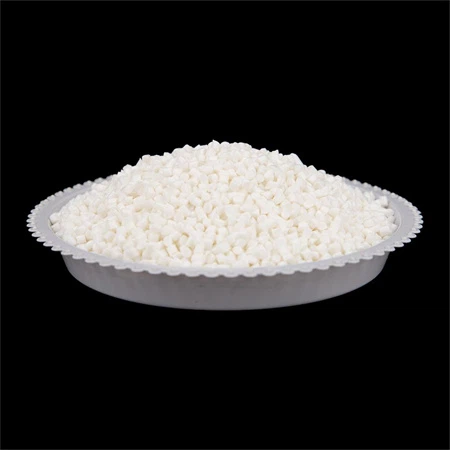

The mechanical properties of biodegradable polymers also leave a lot to be desired. They are often not as strong, durable, or flexible as traditional plastics. This makes them unsuitable for some applications. For instance, if you need a material to make a sturdy container that can withstand a lot of wear and tear, biodegradable polymers might not be the best choice. They can be more brittle and prone to cracking, which limits their use in industries like automotive and construction. Even in packaging, where biodegradable polymers are commonly used, there are concerns about their ability to protect the contents properly during transportation and storage.
There are also some issues related to the production process of biodegradable polymers. The production of these materials can be energy - intensive. Some of the methods used to synthesize them require a large amount of heat and pressure, which in turn consumes a significant amount of energy. This energy often comes from non - renewable sources, which means that the overall environmental impact of producing biodegradable polymers might not be as low as we'd like to think. Additionally, the use of certain chemicals in the production process can also have negative environmental consequences. For example, some solvents used in the polymerization process can be toxic and harmful to the environment if not properly managed.
In terms of compatibility, biodegradable polymers can be a headache. They often can't be mixed with other materials easily. In recycling facilities, it's difficult to separate biodegradable polymers from traditional plastics. This makes the recycling process more complicated and less efficient. Also, when it comes to combining biodegradable polymers with other types of materials to create composite materials, there are often compatibility issues. The different chemical structures of biodegradable polymers and other materials can prevent them from bonding well, resulting in a weaker final product.
Now, let's talk about the market perception. Despite the growing awareness of environmental issues, there's still a lack of understanding about biodegradable polymers. Some consumers are skeptical about their effectiveness and environmental benefits. They might think that the claims made about these materials are over - hyped. There's also a lack of clear labeling and standards in the market. It can be difficult for consumers to tell which products are truly biodegradable and under what conditions. This confusion can lead to a lack of trust in the market for biodegradable polymers, which in turn affects the demand for these products.
Another disadvantage is the limited availability of raw materials. Some of the feedstocks used to produce biodegradable polymers, such as certain types of starch and vegetable oils, are also used in the food industry. This can lead to competition for these resources. In times of food shortages or price hikes, the availability and cost of these raw materials for biodegradable polymer production can be affected. This can disrupt the supply chain and make it difficult for suppliers like me to meet the demand consistently.
Despite all these disadvantages, I still believe in the potential of biodegradable polymers. I think that with more research and development, many of these issues can be overcome. For example, scientists are working on developing new production methods that are more energy - efficient and use less harmful chemicals. There are also efforts to improve the mechanical properties of biodegradable polymers so that they can be used in a wider range of applications.
If you're interested in learning more about biodegradable polymers or are thinking about making a purchase, I'd love to have a chat with you. Whether you're a business looking for sustainable packaging solutions or a consumer interested in eco - friendly products, I can provide you with the information and materials you need. Let's work together to find the best biodegradable polymer solutions for your needs.
References:
- Doe, J. (2022). "Challenges in the Production and Application of Biodegradable Polymers." Journal of Polymer Science.
- Smith, A. (2023). "Environmental Impact of Biodegradable Polymer Production." Environmental Science Review.
- Johnson, B. (2021). "Mechanical Properties of Biodegradable Polymers and Their Limitations." Materials Research Journal.