

Hey there! As a supplier of PBAT and PLA, I'm super excited to chat with you about the amazing uses of these materials in the automotive industry. So, let's dive right in!
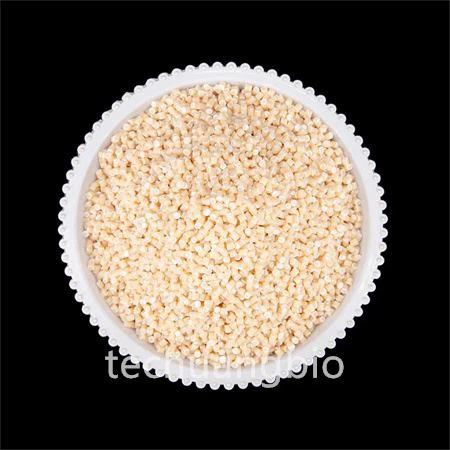
First off, what are PBAT and PLA? PBAT (Polybutylene Adipate Terephthalate) and PLA (Polylactic Acid) are both types of biodegradable polymers. They're made from renewable resources, which is a huge plus in today's eco - conscious world. If you want to learn more about them, check out this link: Pbat And Pla.
Interior Components
One of the most significant uses of PBAT and PLA in the automotive industry is for interior components. These materials can be used to make things like dashboard covers, door panels, and seat cushions.
Dashboard covers made from PBAT and PLA offer several advantages. They're lightweight, which helps improve fuel efficiency. You know, every little bit of weight reduction counts when it comes to saving on gas. Plus, they have good heat resistance. The interior of a car can get pretty hot under the sun, and these materials can withstand high temperatures without deforming.
Door panels are another area where PBAT and PLA shine. They can be molded into different shapes easily, allowing car designers to create sleek and modern looks. And since they're biodegradable, they're a more sustainable option compared to traditional plastic door panels.
Seat cushions made from these materials are comfortable and durable. PBAT and PLA can be blended with other fibers to create a soft yet supportive surface. They also have good resistance to wear and tear, so they'll last a long time. For more info on PBAT and PLA for these interior applications, visit PBAT PLA.

Exterior Components
PBAT and PLA are also finding their way into exterior automotive components. For example, they can be used in bumper fascia. Bumpers need to be tough and able to absorb impact, and PBAT and PLA composites can be engineered to have the right strength and flexibility.
These materials can also be used for body panels. They offer good dimensional stability, which means they'll keep their shape even in different weather conditions. And because they're biodegradable, they reduce the environmental impact when the car reaches the end of its life.
In addition, PBAT and PLA can be used for exterior trim pieces. These can add a stylish touch to the car while being environmentally friendly. The use of biodegradable materials in exterior components is a growing trend, as car manufacturers are increasingly looking for ways to reduce their carbon footprint. To understand more about biodegradable materials in general, check out Biodegradable Material.
Under - the - Hood Applications
Even under the hood, PBAT and PLA have their uses. They can be used for cable insulation. These materials have good electrical insulation properties, which is crucial for protecting the car's electrical system. They're also resistant to chemicals and oils that are commonly found under the hood.
Another under - the - hood application is for air intake ducts. PBAT and PLA can be made to have smooth inner surfaces, which helps improve air flow. This, in turn, can enhance the engine's performance.
The use of PBAT and PLA in under - the - hood components is still in its early stages, but the potential is huge. As technology advances, we can expect to see more and more of these materials being used in this area.
Advantages of Using PBAT and PLA in the Automotive Industry
There are several advantages to using PBAT and PLA in the automotive industry. First and foremost, they're biodegradable. This means that at the end of the car's life cycle, these components will break down naturally, reducing the amount of waste in landfills.
They're also made from renewable resources. Unlike traditional plastics that are derived from fossil fuels, PBAT and PLA can be produced from things like corn starch and sugarcane. This makes them a more sustainable option in the long run.
In terms of performance, these materials can be engineered to have properties similar to or better than traditional plastics. They can be made to be strong, flexible, and heat - resistant, which are all important qualities for automotive components.
Challenges and Future Outlook
Of course, there are some challenges when it comes to using PBAT and PLA in the automotive industry. One of the main challenges is cost. Currently, these materials can be more expensive than traditional plastics. However, as production volumes increase and technology improves, the cost is expected to come down.
Another challenge is the need for further research and development. We need to continue to improve the performance of these materials, especially in terms of their long - term durability and resistance to extreme conditions.
But despite these challenges, the future looks bright for PBAT and PLA in the automotive industry. With the growing demand for sustainable cars, more and more car manufacturers are likely to start using these materials. And as a supplier, I'm committed to working with the industry to overcome these challenges and promote the wider use of PBAT and PLA.
Contact for Purchase and Collaboration
If you're an automotive manufacturer or supplier interested in using PBAT and PLA in your products, I'd love to hear from you. We have a wide range of PBAT and PLA products that can meet your specific needs. Whether you're looking for materials for interior components, exterior parts, or under - the - hood applications, we've got you covered.
Just reach out to us, and we can have a detailed discussion about your requirements. We can also provide samples for you to test and evaluate. Let's work together to make the automotive industry more sustainable and innovative!
References
- "Biodegradable Polymers for Automotive Applications" - Journal of Automotive Materials Science
- "Renewable Resources in the Automotive Industry: The Case of PBAT and PLA" - Sustainable Automotive Technology Review